



























































Casino Lab Online Casino: Canada Steps

A Canada-ready platform for adults in 2026: set limits, choose games calmly, manage payments, and know where help lives.

Fortune Gems 2 Slot

Table of Contents

  • The Dog House Megaways Slot
  • Lucky Joker 10 Extra Gifts Slot
  • Sword of Ares Slot
  • Floating Dragon Hold & Spin Slot
  • Leprechaun Riches Slot
  • Fruit Cocktail Slot
  • The Dog House Megaways Slot
  • Sword of Ares Slot
  • Fruit Million Slot
  • The Dog House Megaways Slot
  • Big Fisherman Slot
  • Big Fisherman Slot
  • Seven Books Unlimited Slot
  • Casino Lab Fortune Slot
  • Sword of Ares Slot
  • Floating Dragon Hold & Spin Slot
  • 9 Mad Hats Slot
  • Floating Dragon Hold & Spin Slot
  • Big Bass Splash Slot

Slot Games


  • Coin Volcano Hold and Win 3x3 Slot
  • Green Chilli 2 Slot
  • Winter Star Bonus Buy Slot
  • Eggs of Gold Slot
  • Book of Wizard Double Chance Slot
  • Bonanza Billion Slot
  • Miss Cherry Fruits Jackpot Party Slot
  • Neon Capital Slot
  • Money Minter Slot
  • Hockey Shootout Slot
  • Mega Greatest Catch Bonus Buy Slot
  • Black Wolf 2 Hold and Win Slot

Crash Games


  • Ninja Crash Slot
  • Balloon Slot
  • Cricket X Slot
  • Crash Duel X Slot
  • Space XY Slot
  • Crash Slot
  • JetX Slot
  • Spaceman Slot
  • JetX 3 Slot
  • Crash Slot
  • Balloon Slot
  • Ho Ho Hodl Slot

Live Dealers


  • Baccarat Dance by Vivo

    Baccarat Dance

  • Boom City by Pragmatic Play

    Boom City

  • Emerald Blackjack by Pragmatic Play

    Emerald Blackjack

  • Roulette Las Vegas by Vivo

    Roulette Las Vegas by Vivo

  • Lucky 6 Roulette by Pragmatic Play

    Lucky 6 Roulette

  • Live Roulette by Betgames

    Live Roulette

  • Limitless Blackjack by Vivo

    Limitless Blackjack

  • Sweet Bonanza Candy Land by Pragmatic Play

    Sweet Bonanza Candy Land

  • Gravity Sic Bo by Iconic 21

    Gravity Sic Bo

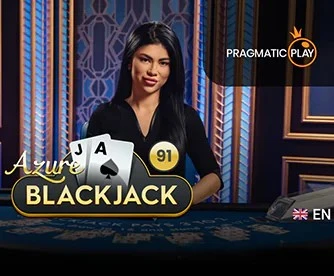
  • Azure Blackjack by Pragmatic Play

    Azure Blackjack

  • Roulette Live by LiveGames

    Live Roulette

  • Baccarat Caribbean by Vivo

    Baccarat Caribbean by Vivo

  • Playson
  • Playtech
  • Pragmatic Play
  • Novomatic
  • PG Soft
  • Amatic
  • Evolution
  • Belatra
  • NetEnt
  • Play'n'GO
Home 1

Casino Lab Sister Sites: Compare Without Losing Control

Looking at related platforms can be useful, but only if you treat it like shopping, not like chasing. In 2026, most people get pulled into “maybe the other one is better” thinking, then end up opening ten tabs in their head and none of them feel satisfying. The fix is simple: compare features that protect you, not features that excite you.

Imagine you finish a short session and you feel that itch to keep exploring because you saw a banner about something “new.” Usually players click around and accidentally start another session they did not plan. Instead, step back and ask two questions: will this help me control time and spending, and will this reduce confusion later?

A clean comparison focuses on navigation, cashier clarity, and break tools. If one platform makes it easy to set a timer reminder, track transactions, and request a pause, that is a meaningful difference. If the difference is just louder promotions, it is not a real upgrade for an adult routine.

Keep your comparison grounded in your life in Canada: payment availability can vary by provider, and some checks may appear depending on your profile. The most reliable view is always what you see inside your own account after logging in, not what you assume from ads or casual chat.

Casino Lab Sister: What “Similar” Should Mean In Practice

“Similar” should mean consistent workflows: you can find limits quickly, you can see history clearly, and you can contact support without hunting. Anything else is just surface.

Picture this: you try a second platform because you want smoother payments, but you cannot even find where withdrawal status lives. That is not an upgrade, it is extra friction. Similar brands should feel familiar, not confusing.

Use a simple scorecard in your head: setup time, clarity of settings, and how easy it is to stop. If it scores well on those, it belongs on your shortlist. If it only scores well on excitement, it will probably push you to play longer than planned.

A Shortlist Method That Stops Endless Browsing

Set a rule: you compare at most two alternatives, and you compare them when you are not planning to deposit. This sounds small, but it removes the “I’ll just check one more” loop.

Imagine you are waiting for a message and you start scrolling through options to kill time. That is how accidental sessions begin. A shortlist turns curiosity into a controlled task: you note what you needed, then you close it and move on.


Games Lab Online Casino: Build A Routine, Not A Scroll

A game lobby is designed to keep you moving. New tiles, trending labels, endless categories - it all nudges you to browse. If you want a calm experience in 2026, you need a routine that replaces browsing with decisions you already made.

Home 2

Imagine you log in tired after work. Usually players click the newest game because it feels effortless, then the pace pulls them forward and time disappears. The safer move is to start from a saved list or a single category you already understand, then stop as soon as the session goal is met.

Start with pace. Fast rounds are not “better,” they are just faster. If you are prone to autopilot, choose formats that force you to slow down: clear bet controls, fewer rapid animations, and a rhythm you can follow without rushing. When pace matches your mood, you make fewer impulsive moves.

Next, separate discovery from play. Exploration is fine, but do it without money on the line when possible. Demo mode, free play, or simply reading rules before you start can turn confusion into clarity. Confusion is a common trigger for chasing because people keep playing “until it makes sense.”

Now build a rotation. Two comfort choices and one curiosity choice are enough for most adults. Comfort choices keep you from scrolling. Curiosity gives you variety without turning your session into a search mission.

Add a closing habit: after each session, check your activity history for one minute. Not to judge yourself, just to see reality. Reality prevents the brain from rewriting the session as “it was only a few minutes” when it was not.

Finally, set one stop signal you will respect. For many players it is a physical signal: clicking faster, leaning in, raising stakes to “fix a feeling,” or forgetting what happened in the last few rounds. When you notice that signal, you stop, pause, or use a break tool. That is adult play in practice.

Games Lab Casino Sites: Filters That Save Time, Not Create FOMO

Filters are useful when they reduce choices, not when they create urgency. The best filters are the boring ones: game type, bet range, and favorites. They help you land on something you already decided is right for your session.

Imagine you open a "top" category and everything looks urgent, like you are missing out if you do not try it now. That feeling is the opposite of control. Use filters to narrow down, then commit to one choice and start. The moment you pick, you stop browsing.

A smart filter habit is setting your minimum and maximum stake first. When the lobby only shows games that fit your budget, you remove a huge source of impulsive decisions.

Lab Casino: Onboarding Without Rushing

The fastest way to create problems later is to rush the boring steps now. In 2026, onboarding should feel like setting up a finance app: accurate details, a secure password, and clear knowledge of where your settings live.

Home 3

Imagine you sign up on a phone at night and autocorrect changes a character in your name. You do not notice until you request a payout and suddenly you are stuck in a loop of corrections. The fix is unglamorous: slow down during entry and double-check everything before you move on.

Treat your first session as a test run. Keep it short, make a small deposit if you choose to deposit, then end the session deliberately. If you can stop cleanly on day one, the platform will feel like a tool rather than a trap.

Casino Lab Online: Deposits, Withdrawals, And Limits

Money flow should feel predictable. That is the main goal. A payment method is “good” when it keeps you calm: you understand the steps, you can repeat them, and you can trace every action in your history without guessing.

Imagine you deposit quickly because you planned a short session. Then you decide to withdraw and you see extra confirmation steps. That is not automatically a red flag; withdrawals often have more checks than deposits. Planning the “out” before you start is what keeps the process calm.

In Canada, availability of payment options can depend on your provider and region, so treat the cashier list inside your own account as the most reliable guide. If a method is visible there, it is relevant to your profile. If it is not, do not waste energy chasing it.

Use one protective habit early: a small test withdrawal once you are comfortable. You are not testing luck, you are testing the workflow. Knowing how status messages look when everything is normal reduces stress when you later withdraw larger amounts.

Payment Option

Best For

Typical Extra Steps

Processing Feel

Good Session Habit

Bank Card

Quick Deposits

Bank approvals, daily limits

Fast in, variable out

Keep name details consistent

Bank Transfer

Planned sessions

Cutoff times, reference info

Slow but steady

Save confirmation notes

E-Wallet

Balanced control

Wallet verification

Often smooth, provider-dependent

Use one wallet as primary

Prepaid Voucher

Budget boundaries

Redemption steps

Instant deposit, cashout may differ

Treat it as a spending cap

Crypto Transfer

Network-based payments

Address checks, confirmations

Network-dependent

Double-check every character

Cashier Setup That Prevents Impulsive Top-Ups

The best cashier setup is not about speed. It is about stopping frictionless “one more deposit” behavior. A practical rule is one deposit per session, then you stop. If you want to play again, you return later and decide again.

Imagine you lose a few rounds and you instantly think, “I’ll add a little more to fix this.” That thought is the beginning of chasing. One-deposit-per-session turns that thought into a dead end, and dead ends are good when emotions are loud.

Pair that rule with a realistic deposit cap. If the cap is too strict, you will keep renegotiating it mid-session. If it is too loose, it will not protect you when mood shifts. Pick something you can follow on an average day, not your most disciplined day.

Withdrawal Requests: A Calm Checklist That Works

Withdrawals feel stressful when you watch them. Make them routine instead. Submit once, confirm the method, and check your history for a status update without constant refreshing.

Picture a player who refreshes every minute and feels anxiety rise with each refresh. That anxiety often leads to worse choices, like starting another session “while waiting.” A better pattern is to note the timestamp, step away, and return later with a clear head.

If extra proof steps appear, do them when you are calm. Do not try to solve paperwork while you are still emotionally attached to the session outcome. Calm documentation is faster than frantic documentation.

When you contact support, keep it simple: what you did, when you did it, what you expected, and what you see now. Clear inputs lead to clear replies.

Mobile Payments And Security Habits For Daily Use

Mobile play is convenient, and convenience is exactly why you need extra discipline. Avoid depositing when your battery is low or your connection is unstable, because technical stress easily turns into emotional stress.

Imagine you get a low-battery warning mid-session. Many players keep tapping anyway, then get annoyed when the phone dies or the connection drops. Treat that moment as a stop signal: end the session, review history, and come back later if you still want to play.

Use a device lock, log out after sessions, and avoid saving credentials on shared devices. These habits are not dramatic, they are simple adult hygiene.

Support, Timeouts, And Self-Exclusion Options

Support is most useful when you learn how to reach it before you need it. In 2026, adult play means you know where help lives, you know what details to provide, and you know how to pause play when the vibe changes.

Imagine a transaction status looks unfamiliar. Most players panic, send a vague message, and keep playing while they wait. A calmer approach is to stop, open history, capture the method and time, then send one concise request. You get a clearer answer and you avoid “playing through” confusion.

Break tools matter even more than support. A short timeout can interrupt autopilot. A longer pause can protect your budget and your mood when you notice patterns you do not like. The goal is not punishment, it is distance.

Contacting Support With Clean, Useful Details

Good support messages read like a checklist. You include the action, the timestamp, the payment method if money moved, and the exact label you see in history. You do not add drama, you add facts.

Picture a player who writes “something is wrong” with no details. They get a generic reply and feel ignored. Now picture a player who writes four lines with time, method, and status. They usually get a targeted next step.

If you feel irritated, wait five minutes before messaging. That small delay often turns a rant into a request, and requests solve problems faster.

Taking A Break Before Play Stops Being Fun

The most important skill is noticing your own stop signals. Faster clicking, raising stakes to “fix a feeling,” playing without remembering the last few rounds - these are signals, not challenges.

Imagine you catch yourself thinking, “I just need one good hit and then I’ll stop.” That is a classic cue to pause immediately. Use a timeout if available, step away, and decide later when your mood is quieter.

A longer self-exclusion option, when offered, is not a failure. It is a tool for adults who want entertainment to stay entertainment. If you need distance, take it.

Canada Boundaries In 2026: Keep It Adult And Clear

Playing responsibly in Canada starts with one mindset: you follow applicable local rules and your own comfort level, and you treat gambling as paid entertainment. That means you avoid chasing, you use limits, and you accept that stopping is part of the activity.

Imagine you are tempted to extend a session because you had a rough day. That is not the right reason to play longer. The adult move is ending on your timer, reviewing your history, and doing something else with the rest of your time.

If your routine ever feels shaky, tighten one rule at a time: one deposit per session, a timer every session, and a short history check at the end. Small rules beat big speeches in 2026.

FAQ

Choose a time limit that matches real life, set an alarm before you open the lobby, and treat the alarm as the end of the session, not a suggestion. Imagine the timer as your external referee when your mood gets loud. When it rings, you stop, review your recent activity once, and log out so the ending feels final.

Pause immediately, stand up, and take a short break before you decide anything. Picture the urge as a wave that weakens if you do not feed it with rapid clicks and bigger bets. If the urge stays, end the session and return another day with a fresh plan instead of trying to solve the feeling inside the same session.

Pick the method you can use consistently and understand clearly for both deposits and withdrawals, then avoid switching routes midstream. Imagine you are building a routine you can repeat, not hunting for the fastest option once. Consistency, clean account details, and a realistic deposit cap usually reduce stress later.

Include what you did, when you did it, what you expected, and what you see now, plus the payment method and timestamp if money moved. Imagine you are giving a technician a checklist rather than a complaint. One concise message often reduces back-and-forth and gets you a specific next step.

Use demo play when available or start with a small stake and a strict learning timer, and treat the first minutes as practice, not performance. Imagine you are test-driving pace and rules, not forcing a result. If confusion or irritation appears, switch to a familiar title or stop rather than increasing risk to “figure it out.”

Use it when play stops feeling fun and starts feeling automatic, tense, or compulsive. Picture the moment you notice faster clicking and less thinking - that is your signal. A break tool removes the option to bargain with yourself in the heat of the moment and gives you space to reset.

Create a closing ritual: stop on your timer, check your activity history, then log out and put your phone away for a few minutes. Imagine you are closing a register, not leaving it open. That small routine helps your brain accept the stop point instead of craving “one more.”

🇬🇧 English